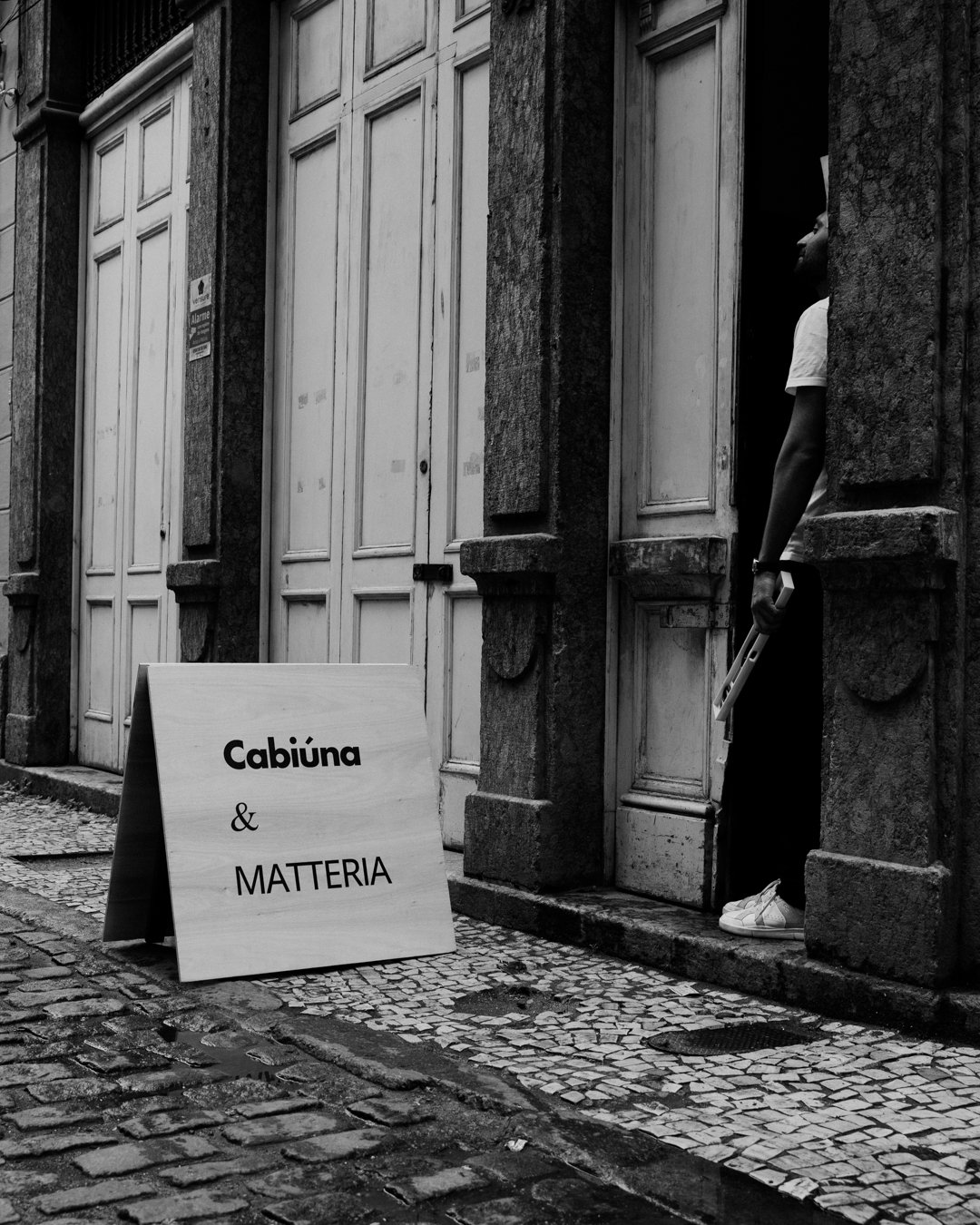
MATTERIA is an award-winning architecture and urban design practice based in Rio de Janeiro, Brazil. Founded by architect and urban designer Lucas Coelho Netto, the studio works across scales and programs — from residential projects to public spaces, cultural facilities, and strategic urban studies.
Lucas’s experience in offices in Brazil and Europe, along with his graduate studies at Columbia GSAPP, informs the studio’s approach to context, rigor, and experimentation. In parallel to practice, Lucas taught at Columbia’s MSAUD program, reinforcing the studio’s commitment to research as a driver of design.
At MATTERIA, research and practice advance together. The studio develops projects grounded in careful observation, environmental responsibility, and formal clarity, exploring architecture as both structure and infrastructure — a framework capable of hosting encounters, adapting over time, and revealing new relationships between people and place.
The studio’s name and logo reference the simplest architectural element: the pórtico — two columns and a beam. Without enclosures, it suggests openness, continuity, and fluid thresholds between interior and exterior. Graphically, the two Ts echo the convergence of matéria and matter, expressing the studio’s dual commitment to material precision and conceptual inquiry.
Contact
info@matteria.studio
lucas@matteria.studio
+55 21 98444 0033
Current and previous collaborators
Raphael Matta (Landscape Architect), Larissa Monteiro (Architect), Raphael Carneiro (Architect), Ishaan Kumar (Landscape Architect), Augusto Zamperlini (Architect), Felipe Rio Branco (Architect), Alziro Neto (Architect), Diego Portas (Architect), Federica Linares (Architect), Yasmine Katkhuda (Urban Designer), Petros Terra (Architect), Chico Escobar (Engineer), Julia Pithan (Engineer), Eduarda Abud (Landscape Architect), Carolina Quintella (Architect, Interior Designer), Rodrigo Agueda (Sociologist), Sistemas Urbanos (Paving and Drainage), Ecomimesis (Landscape), Luz Urbana (Lighting), Joyce Lopes (Road Signage), Nova Engenharia (Cost Estimates), FQEP (Road Geometry), Anexo 50 (Interior Design), Alessandro Zanini (Architect)
Awards
Resende’s Historic Center - Honorable Mention (2025)
C40 Reinventing Cities São Paulo - 1st Place (2022)
Weefor Arq 2 - Shortlisted Proposal (2022)
Charitas Waterfront - 2nd Place (2021)
Talks
18H PUC-Rio (2024)
UIA - Regenerative, Resilient and Equitable Built Environment (2023)
UIA Science Track - “Em(POWER)ing Belize” (2023)
AIA NY Talk - “LATITUDES: Latin American Architecture NOW” (2023)
C40 Webinar - “Transforming Public Spaces” (2023)
CBN Radio - Live Interview (2022)
TV Bandeirantes - Live Interview (2022)
Live SP Urbanismo - C40 Reinventing Cities SP (2022)
Ser Urbano 2020 - "Meeting with Alumni” (2020)
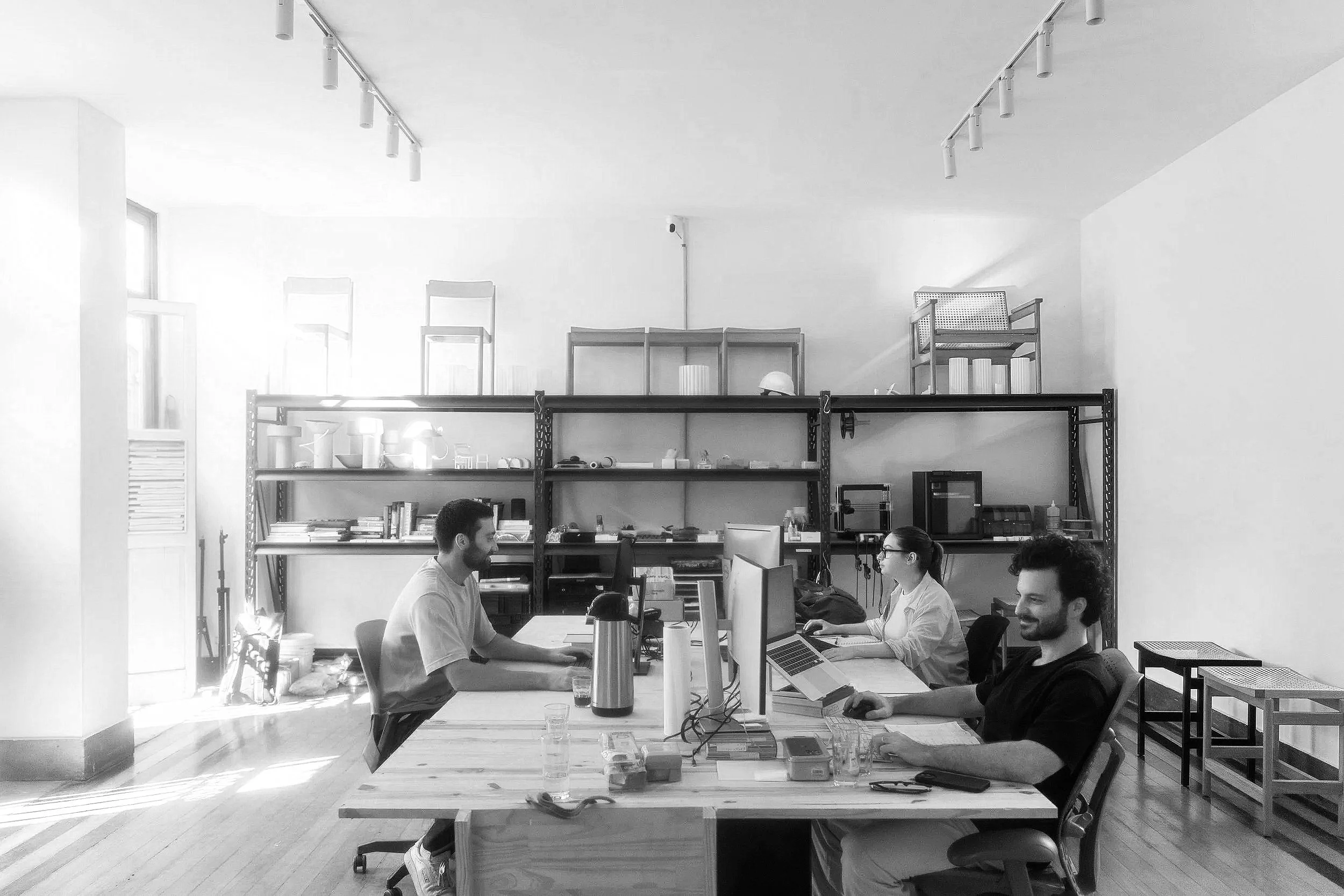

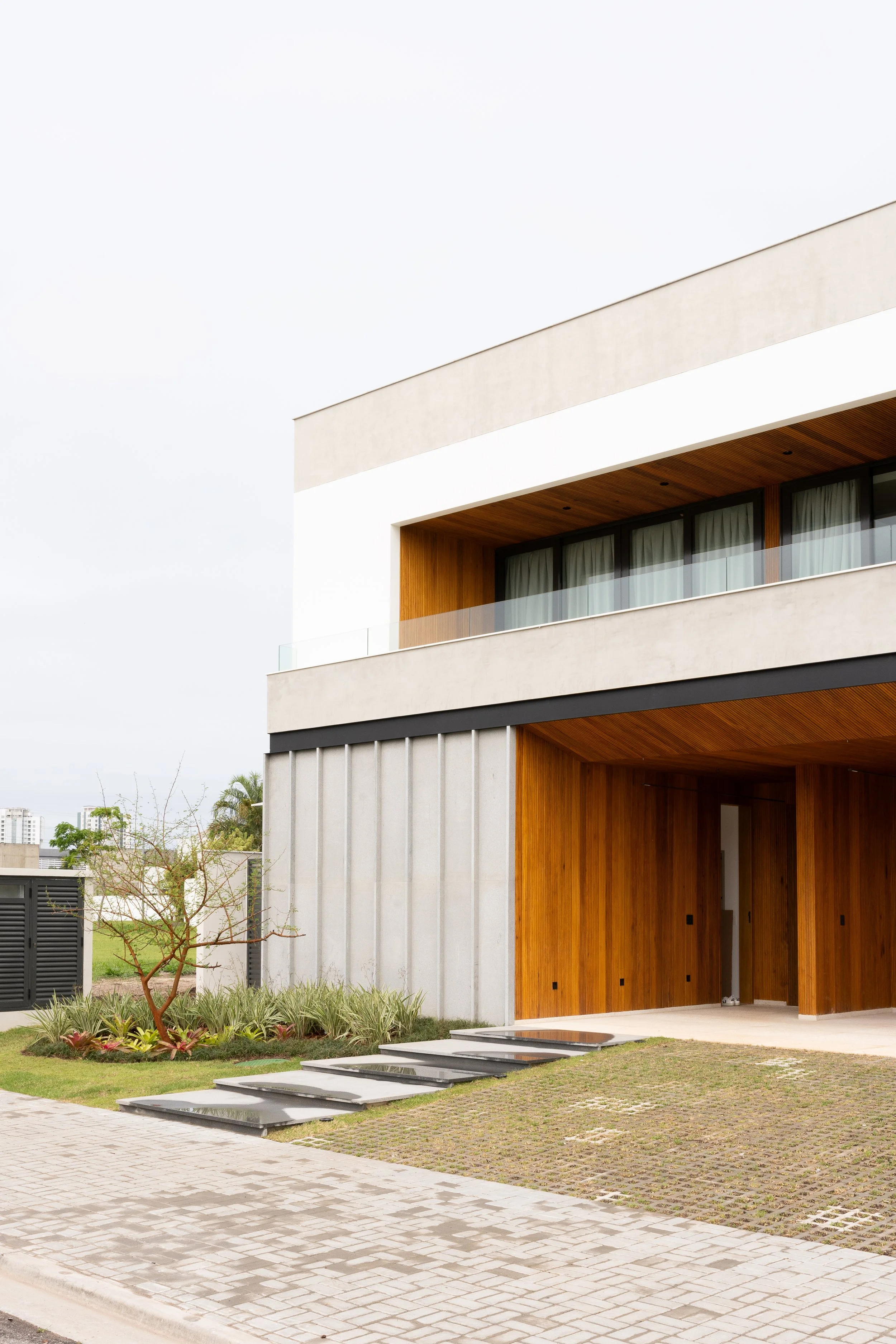
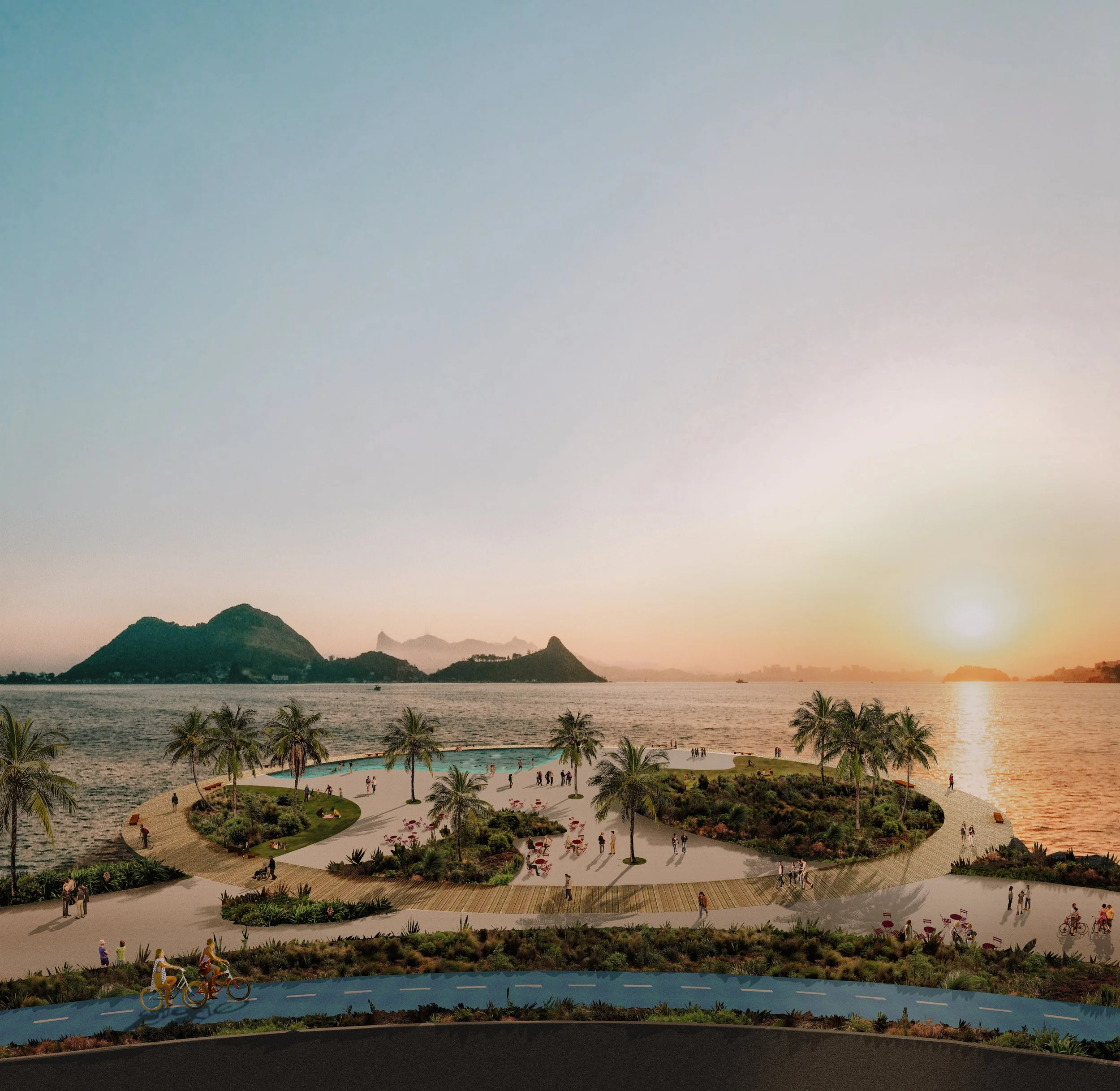
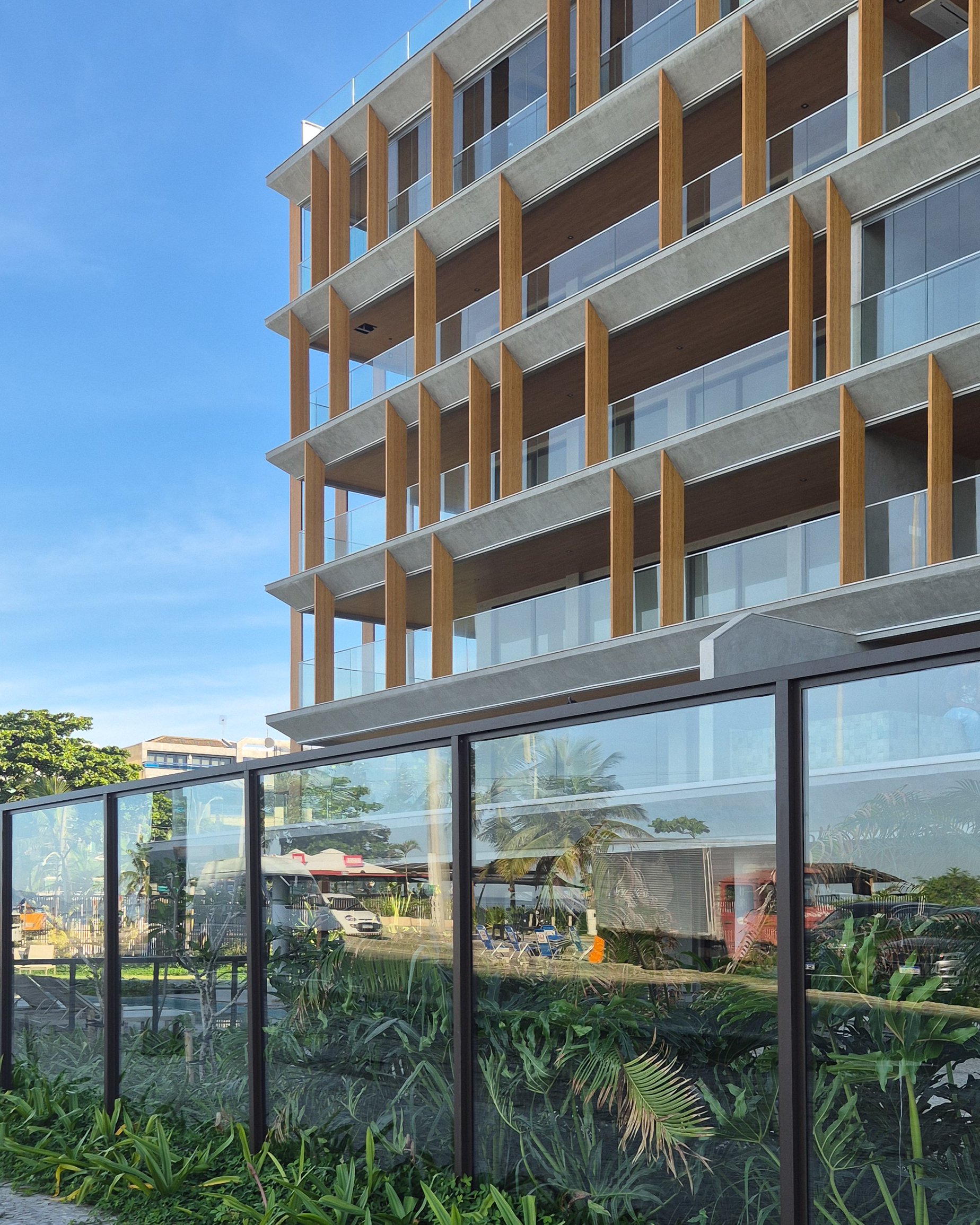
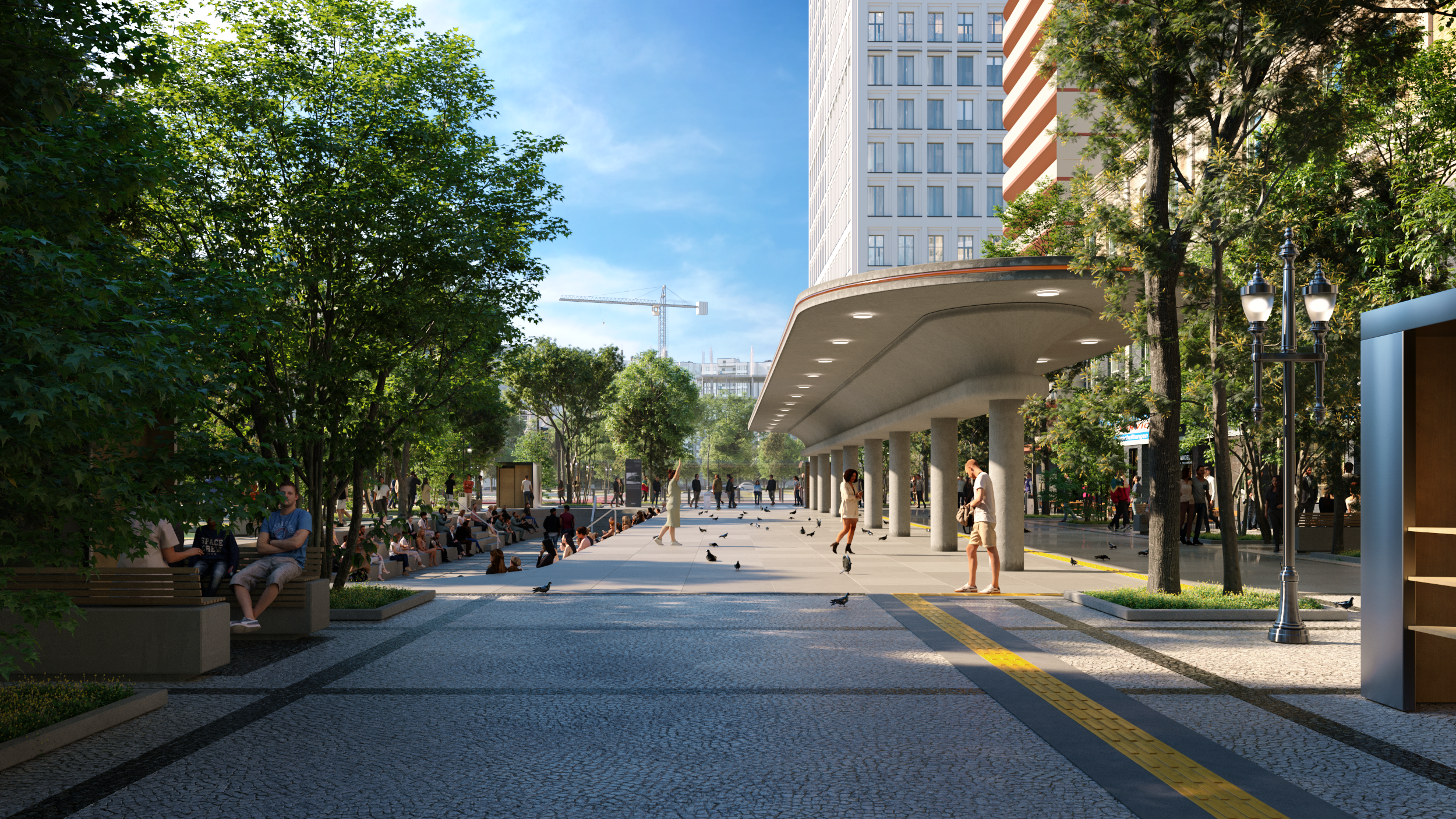
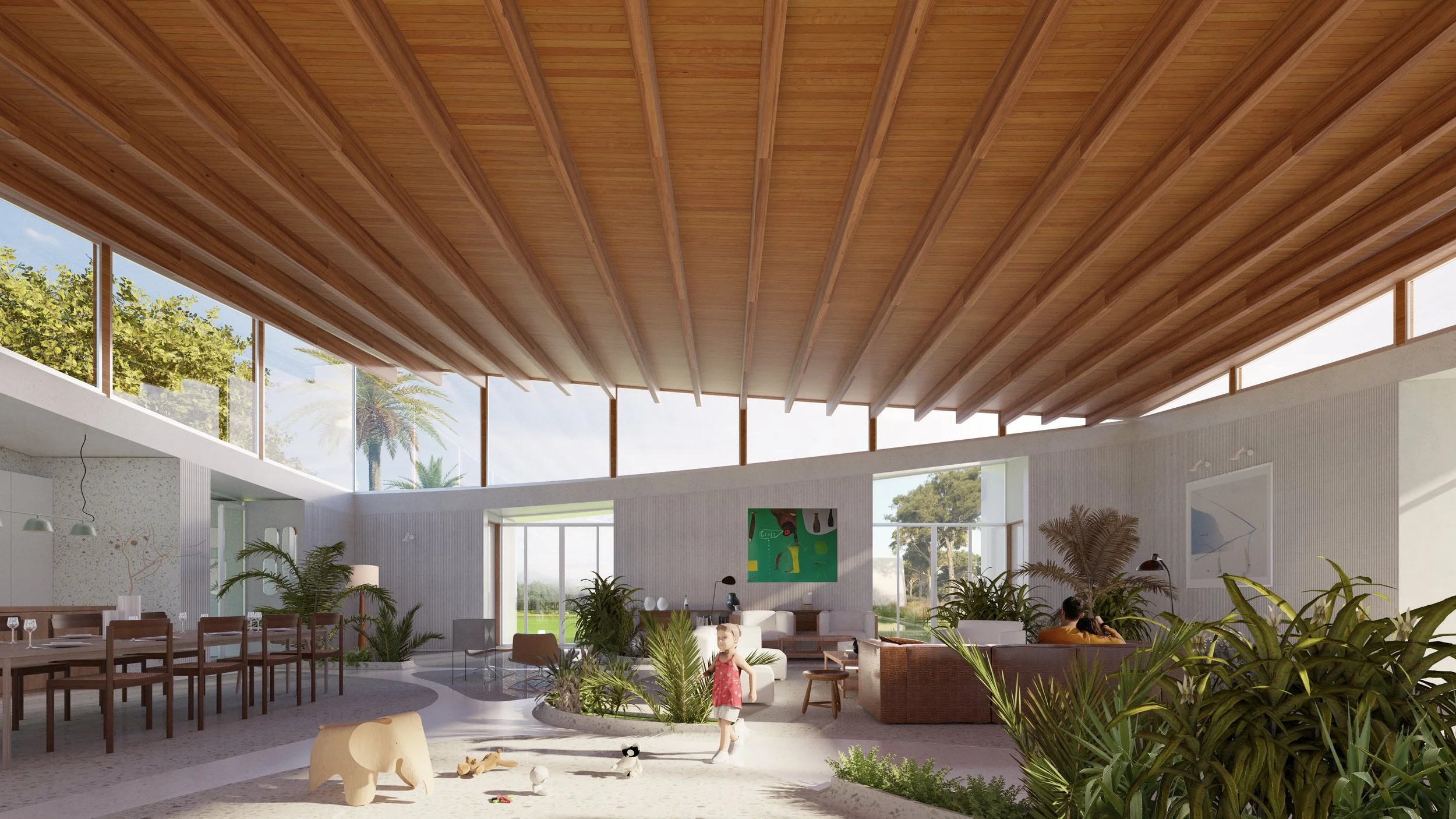
We understand architecture and urban design as ways of shaping everyday life with clarity, responsibility, and intention. Each project is an opportunity to propose more equitable forms of inhabiting, to regenerate existing contexts, and to engage local histories and knowledge — while preserving the formal and spatial precision that defines our work.
For us, architecture materializes only when occupied. Spaces gain meaning when people meet, negotiate, transform, and reinterpret them over time. Because social, economic, and environmental dynamics evolve faster than buildings, we design structures capable of absorbing change, supporting unforeseen uses, and remaining open to future reinterpretations. Architecture, in this sense, is an infrastructure for encounters — a flexible framework where multiple experiences can emerge.
Our design process is an ongoing investigation that begins with attentive observation: the physical environment, social behavior, ecological conditions, clients’ ambitions, and the latent potentials of each site. From these layers, we build a conceptual structure that guides every design decision — informed by references, precedents, and the studio’s own repertoire.
Research and practice advance together. We test ideas through models, drawings, simulations, and narrative studies that allow us to anticipate uses, variations, and atmospheres. Rather than a single methodology, we operate through adaptable logics that respond to different scales, programs, and temporalities. Collaboration is central: the work gains depth through dialogue with clients, partners, consultants, and communities.
Facing contemporary climatic and social challenges, sustainability, accessibility, and inclusion are not add-ons but structuring principles. Our choices — from site strategies to materials and construction systems — balance environmental performance, energy efficiency, technical feasibility, and social responsibility. We design spaces that welcome different bodies, ages, and ways of living, understanding universal design as a tool for equity and expanded possibilities.
We see architecture and urbanism as complementary but often in tension. Architecture tends to establish limits, organize uses, and articulate form, while urbanism reveals the power of openness, flexibility, and indeterminacy. We work within this productive balance: precise enough to respond to context yet open enough to accommodate time, change, and the unexpected.
At its core, our practice is driven by a simple conviction: architecture only fulfills its role when it amplifies encounters, possibilities, and experiences. Each project aims to be both a specific response and an open platform — a structure capable of transforming alongside people and the city.